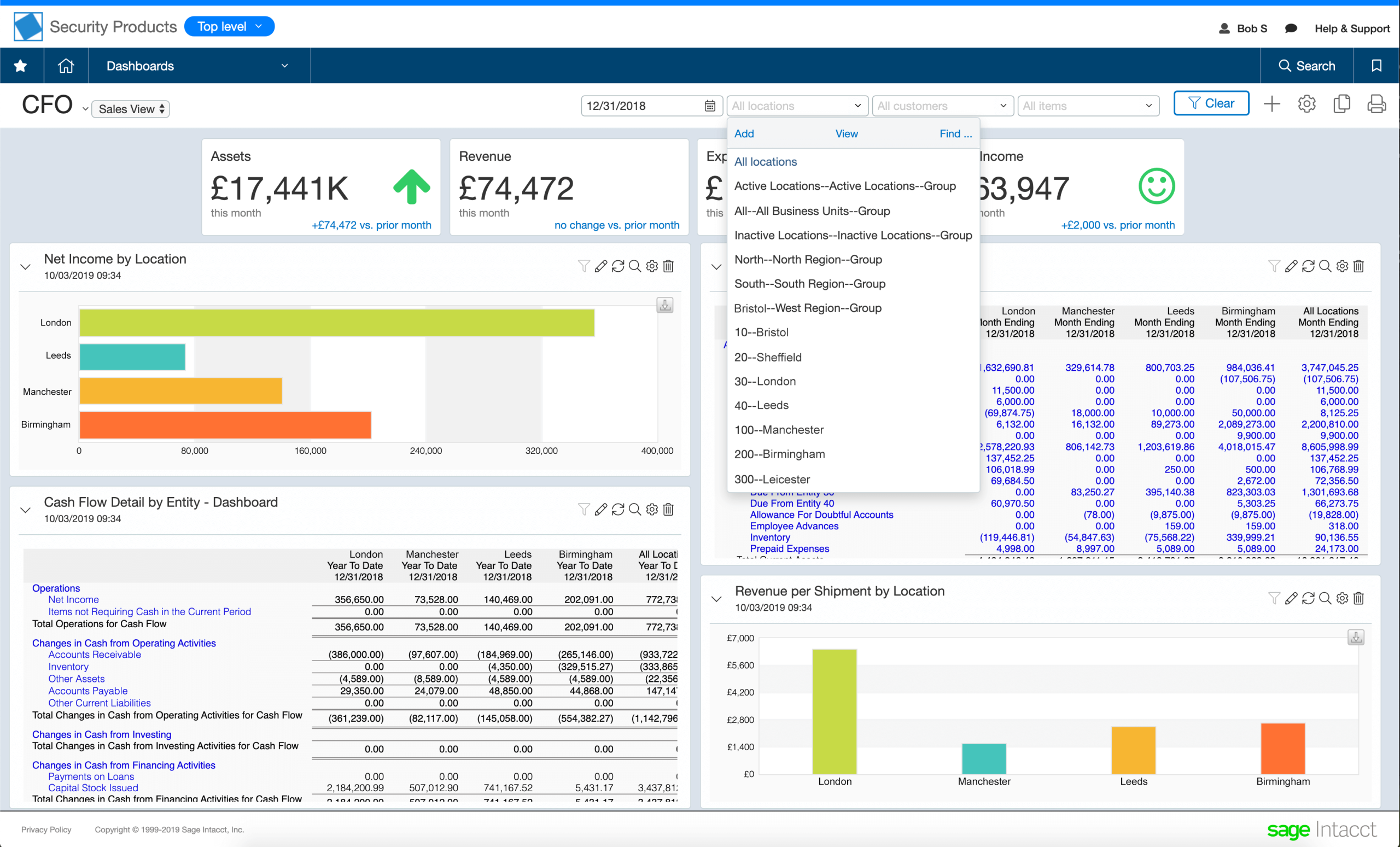
Welcome, dear readers! Today, we are diving into the world of ERP with a focus on the ERP system of Sage Intacct. Sage Intacct ERP, also known as cloud financial management software, is designed to help businesses streamline their financial processes and gain better insights into their operations. Whether you’re a small business owner or a financial professional, understanding how Sage Intacct ERP works can be incredibly beneficial. Let’s explore the ins and outs of this powerful tool together!
Overview of Sage Intact ERP
When it comes to managing your business’s finances, Sage Intact ERP is a game-changer. This cloud-based software combines all the essential tools you need to streamline your accounting, procurement, and financial management processes in one convenient platform. With Sage Intact ERP, you can say goodbye to spreadsheets and manual processes, and hello to automation and efficiency.
One of the key features of Sage Intact ERP is its ability to provide real-time insights into your business’s financial performance. With customizable dashboards and reporting tools, you can easily track key performance indicators, monitor cash flow, and make data-driven decisions to drive your business forward. Whether you need to analyze sales trends, track expenses, or manage inventory, Sage Intact ERP has you covered.
Another standout feature of Sage Intact ERP is its seamless integration capabilities. Whether you’re using other accounting software, CRM systems, or e-commerce platforms, Sage Intact ERP can easily connect with your existing tools to create a cohesive ecosystem that streamlines your operations. This means you can say goodbye to manual data entry and errors, as Sage Intact ERP automates data syncing across your various systems.
Security is also a top priority with Sage Intact ERP. With bank-level encryption, role-based access controls, and continuous monitoring, you can rest easy knowing that your sensitive financial data is safe and secure. Plus, with automatic updates and backups, you can focus on growing your business instead of worrying about IT maintenance.
Lastly, Sage Intact ERP offers unparalleled scalability. Whether you’re a small startup or a large enterprise, Sage Intact ERP can grow with your business. You can easily add new users, modules, or features as your business expands, without missing a beat. This flexibility ensures that Sage Intact ERP can meet your evolving needs and continue to support your business as it grows.
Benefits of Sage Intact ERP Implementation
When it comes to implementing Sage Intact ERP, businesses can expect a wide range of benefits that can help streamline their operations and improve overall efficiency. Below, we’ll dive deeper into some of the key advantages of implementing Sage Intact ERP:
1. Enhanced Efficiency: One of the biggest benefits of Sage Intact ERP is the enhanced efficiency it brings to businesses. By automating processes and providing real-time insights into various aspects of the business, Sage Intact ERP helps employees work more effectively and make better decisions. This increased efficiency can lead to cost savings and improved productivity across the organization.
2. Improved Data Accuracy: With Sage Intact ERP, businesses can say goodbye to manual data entry and the errors that often come with it. The system allows for seamless integration of data from multiple sources, ensuring that information is accurate and up-to-date. This improved data accuracy can help businesses make more informed decisions and avoid costly mistakes in the long run.
3. Better Financial Management: Sage Intact ERP provides businesses with a comprehensive financial management solution that includes features such as budgeting, forecasting, and financial reporting. This allows businesses to have a clear view of their financial health and make strategic decisions based on this information. With Sage Intact ERP, businesses can better manage their finances and plan for future growth.
4. Scalability: As businesses grow, they need an ERP system that can scale along with them. Sage Intact ERP is designed to be scalable, allowing businesses to add new users, modules, and functionalities as needed. This scalability ensures that businesses can continue to use Sage Intact ERP effectively as they expand and evolve over time.
5. Enhanced Security: Data security is a top priority for businesses, especially in today’s digital age. Sage Intact ERP comes with robust security features that help protect sensitive business information from unauthorized access. With features such as user permissions, data encryption, and audit trails, businesses can rest assured that their data is safe and secure.
6. Better Collaboration: Collaboration is key to success in any business, and Sage Intact ERP makes it easier for employees to work together seamlessly. The system allows for real-time access to information, file sharing, and communication tools that facilitate collaboration across different departments and teams. This improved collaboration can lead to better decision-making and more efficient workflows.
Overall, the benefits of Sage Intact ERP implementation are clear. From enhanced efficiency and improved data accuracy to better financial management and enhanced security, businesses can expect to see a significant return on investment by implementing Sage Intact ERP. With its scalability and collaboration features, Sage Intact ERP is a powerful tool that can help businesses thrive in an increasingly competitive marketplace.
Key Features of Sage Intact ERP
Sage Intact ERP is a comprehensive business management solution that offers a wide range of features to help businesses streamline their operations and increase efficiency. Some of the key features of Sage Intact ERP include:
1. Financial Management: Sage Intact ERP provides powerful financial management tools that allow businesses to automate processes such as accounts payable, accounts receivable, general ledger, and more. With Sage Intact ERP, businesses can maintain accurate financial records, generate financial reports, and monitor their financial performance in real-time.
2. Inventory Management: Sage Intact ERP includes advanced inventory management features that help businesses track and manage their inventory with ease. Businesses can track stock levels, monitor sales trends, and optimize inventory levels to reduce carrying costs and improve profitability.
3. Automated Workflows: One of the standout features of Sage Intact ERP is its ability to automate workflows and streamline business processes. With Sage Intact ERP, businesses can define rules and workflows to automate repetitive tasks, such as invoice approval, expense reporting, and procurement. By automating workflows, businesses can save time, reduce errors, and increase productivity.
4. Reporting and Analytics: Sage Intact ERP offers robust reporting and analytics capabilities that enable businesses to gain insights into their operations and make informed decisions. Businesses can create customizable reports, dashboards, and KPIs to track key metrics and performance indicators. With Sage Intact ERP, businesses can track financial performance, identify trends, and make data-driven decisions.
5. Scalability: Sage Intact ERP is designed to grow with your business. Whether you are a small startup or a large enterprise, Sage Intact ERP can scale to meet your evolving needs. With flexible deployment options and customizable features, Sage Intact ERP can adapt to fit the unique requirements of your business.
6. Integration Capabilities: Sage Intact ERP offers seamless integration with third-party applications and systems, allowing businesses to connect their ERP system with other tools and software. Integration capabilities enable businesses to streamline workflows, eliminate data silos, and improve collaboration across departments.
7. Cloud-Based Solution: Sage Intact ERP is a cloud-based solution, which means that businesses can access their ERP system anytime, anywhere. With cloud-based ERP, businesses can benefit from increased flexibility, scalability, and security. Cloud-based ERP also offers automatic updates and maintenance, ensuring that businesses always have access to the latest features and enhancements.
In conclusion, Sage Intact ERP provides businesses with a comprehensive and intuitive solution to manage their operations efficiently. With features such as financial management, inventory management, automated workflows, reporting and analytics, scalability, integration capabilities, and a cloud-based platform, Sage Intact ERP is a versatile and powerful tool for businesses of all sizes. By leveraging the key features of Sage Intact ERP, businesses can streamline their processes, improve productivity, and drive growth and success.
Integration Capabilities of Sage Intact ERP
When it comes to integrating various systems and applications, Sage Intact ERP shines bright. Its seamless integration capabilities make it easy for businesses to streamline their processes and eliminate the need for manual data entry. One of the standout features of Sage Intact ERP is its ability to integrate with third-party applications such as Salesforce, HubSpot, and Microsoft Dynamics.
With Sage Intact ERP, businesses can easily sync data across different platforms and ensure that information is always up-to-date and accurate. This integration capability not only saves time and effort but also helps in making informed business decisions based on real-time data. For example, sales teams can access customer data from Salesforce directly within Sage Intact ERP, enabling them to provide personalized service and improve customer satisfaction.
Another key aspect of Sage Intact ERP’s integration capabilities is its support for API integration. This allows businesses to connect their ERP system with custom applications or legacy systems, ensuring a smooth flow of data between different platforms. With API integration, businesses can automate processes, reduce errors, and improve overall efficiency.
Furthermore, Sage Intact ERP offers pre-built connectors for popular applications, making it even easier for businesses to integrate their ERP system with other tools. These connectors enable seamless data transfer between systems, eliminating the need for manual intervention and reducing the risk of errors. Businesses can customize these connectors to suit their specific needs and ensure a smooth flow of data across different platforms.
In addition to third-party integrations and API support, Sage Intact ERP also offers robust data import and export capabilities. Businesses can easily import data from Excel sheets or CSV files into the ERP system, saving time and effort on manual data entry. They can also export data from Sage Intact ERP in various formats, making it easy to share information with other teams or external stakeholders.
Overall, the integration capabilities of Sage Intact ERP are designed to help businesses streamline their processes, improve efficiency, and make better-informed decisions. With seamless integrations with third-party applications, support for API integration, pre-built connectors, and data import/export capabilities, businesses can easily connect their ERP system with other tools and systems, ensuring a smooth flow of data across different platforms.
Tips for Successful Sage Intact ERP Implementation
Implementing a new ERP system like Sage Intact can be a daunting task, but with the right approach and strategy, you can set yourself up for success. Here are some tips to help ensure a smooth and successful implementation:
1. Define your goals and objectives: Before you start the implementation process, it’s crucial to have a clear understanding of what you want to achieve with your new ERP system. Define your goals and objectives, and make sure they are aligned with the overall strategic direction of your organization. This will help you stay focused and on track throughout the implementation process.
2. Build a strong project team: Successful ERP implementation requires a dedicated and skilled project team. Make sure to assemble a team of experts from different departments within your organization who can bring their unique perspectives and expertise to the table. This team will be responsible for driving the implementation process forward and ensuring that all stakeholders are aligned and engaged throughout the project.
3. Invest in training and education: One of the most common reasons for ERP implementation failure is lack of training and education. Make sure to invest in comprehensive training programs for your employees to ensure they have the skills and knowledge they need to successfully use the new system. This will help minimize resistance to change and ensure a smooth transition to the new platform.
4. Plan for data migration: Data migration is a critical aspect of ERP implementation, and it’s important to plan for it carefully. Make sure to clean and organize your data before migrating it to the new system, and plan for any necessary data mapping and transformation processes. This will help ensure that your data is accurate and up-to-date in the new system, minimizing the risk of errors and discrepancies.
5. Take a phased approach: Instead of trying to implement the entire ERP system at once, consider taking a phased approach. Start with a pilot project or a small-scale deployment in one department or business unit, and gradually expand to other areas of your organization. This will help you identify and address any issues or challenges early on, and allow you to make adjustments as needed before rolling out the system company-wide.
By following these tips and taking a strategic approach to your Sage Intact ERP implementation, you can increase the likelihood of success and maximize the benefits of your new system. Remember, successful implementation is not just about installing the software – it’s about setting yourself up for long-term success and growth.