Factors affecting Sage ERP pricing
When it comes to pricing for Sage ERP, there are several key factors that can influence the overall cost. Understanding these factors can help businesses budget effectively and make informed decisions when investing in an ERP solution.
One of the primary factors that can affect Sage ERP pricing is the size of your business. Larger businesses with more users and greater complexity in their operations will typically require a more robust ERP solution, which can drive up the cost. On the other hand, small to medium-sized businesses may be able to get by with a more basic version of Sage ERP, which could come at a lower price point.
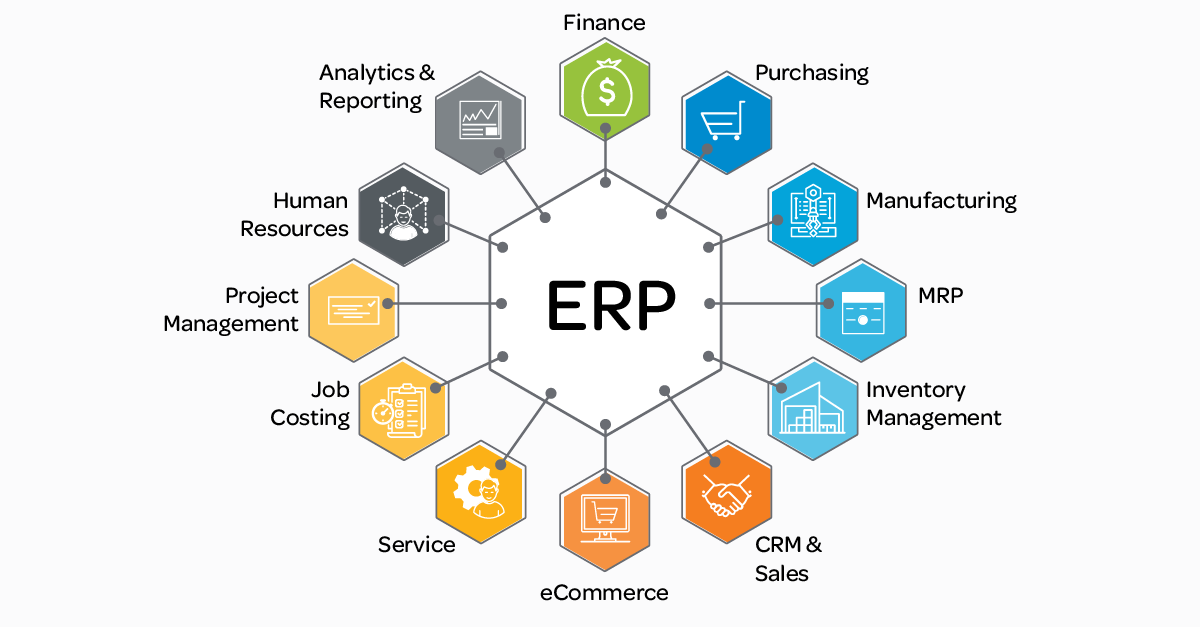
Another important factor to consider is the specific modules and features that your business needs. Sage ERP offers a wide range of modules for different functions such as financial management, inventory management, and customer relationship management. The more modules and features you require, the higher the cost of the ERP solution is likely to be. It’s essential to carefully assess your business needs and prioritize the features that are most critical to your operations to avoid paying for unnecessary functionalities.
The level of customization required can also impact Sage ERP pricing. Some businesses may require additional customization to tailor the ERP system to their unique processes and requirements. This customization can involve additional development work and integration with other systems, adding to the overall cost of the ERP solution. It’s important to discuss customization needs with the vendor upfront to get a clear understanding of the potential costs involved.
Furthermore, the deployment method you choose can also influence Sage ERP pricing. On-premise ERP solutions typically involve higher upfront costs for hardware and software licenses, as well as ongoing maintenance expenses. Cloud-based ERP solutions, on the other hand, often have a subscription-based pricing model, which can be more cost-effective for some businesses, especially those with limited IT resources.
Lastly, the vendor you choose to work with can impact Sage ERP pricing. Some vendors may offer discounts or special pricing packages based on the size of your business, the duration of the contract, or other factors. It’s essential to shop around and compare quotes from different vendors to ensure you’re getting the best value for your money.
In conclusion, several factors can influence Sage ERP pricing, including the size of your business, the modules and features you need, the level of customization required, the deployment method chosen, and the vendor you select. By understanding these factors and carefully evaluating your business requirements, you can make an informed decision when investing in a Sage ERP solution that aligns with your budget and objectives.
Comparing Sage ERP pricing packages
When looking at Sage ERP pricing packages, it’s important to consider the different options available and how they compare in terms of features and cost. Sage offers various packages that cater to the needs of small, medium, and large businesses, with each package containing different modules and functionalities.
The Sage Business Cloud Accounting package is designed for small businesses and includes features such as invoicing, expense tracking, and bank reconciliation. This package is ideal for businesses that are just starting out and need basic accounting functionalities at an affordable price.
For medium-sized businesses, the Sage Business Cloud Financials package offers more advanced features such as financial reporting and budgeting. This package is perfect for businesses that require more in-depth financial management tools and are willing to pay a higher price for these additional functionalities.
Large businesses have the option of choosing the Sage X3 package, which is a comprehensive ERP solution that includes modules for finance, inventory management, and production planning. This package is suitable for businesses that have complex operations and require a robust ERP system to manage their day-to-day activities.
When comparing the pricing of these packages, it’s important to consider the cost of implementation, ongoing maintenance, and any additional modules that may be required. The Sage Business Cloud Accounting package is the most affordable option, with a monthly subscription fee starting at $10 per month. The Sage Business Cloud Financials package is priced higher, with a monthly subscription fee starting at $25 per month. The Sage X3 package is the most expensive option, with pricing determined based on the specific needs and requirements of the business.
In addition to the monthly subscription fee, businesses also need to consider the cost of implementation and training. The Sage Business Cloud Accounting package is relatively easy to set up and requires minimal training, making it a cost-effective option for small businesses. The Sage Business Cloud Financials package may require more time and resources for implementation, as it offers more advanced features that may need to be customized to suit the business’s specific needs. The Sage X3 package is the most complex to implement, as it is a full-fledged ERP system that requires thorough planning and execution.
Overall, the Sage ERP pricing packages cater to businesses of all sizes and provide a range of options to suit different needs and budgets. By carefully comparing the features and costs of each package, businesses can choose the right solution that meets their requirements and helps them achieve their financial goals.
Customization options for Sage ERP cost
Customization is key when it comes to maximizing the potential of your Sage ERP system. While the base price for Sage ERP may already come with a wide range of features and functionalities, businesses often have specific needs and requirements that can only be met through customization. The cost of customization options for Sage ERP can vary depending on the complexity of the changes needed and the level of support required.
When it comes to customizing Sage ERP, businesses have several options to choose from. One of the most common customization options is adding new modules or features to the system. This can range from simple tweaks to existing functionalities to developing entirely new modules that cater to specific business processes. The cost of adding new modules to Sage ERP will depend on the level of customization required and the expertise of the developers involved.
Another customization option for Sage ERP is integrating third-party applications or systems with the ERP system. This can be especially useful for businesses that use specialized software for certain functions, such as inventory management or customer relationship management. The cost of integrating third-party applications with Sage ERP will depend on the complexity of the integration and the compatibility of the systems involved.
Businesses can also choose to customize the user interface of Sage ERP to better suit their needs and preferences. This can include rearranging menus, adding new buttons or shortcuts, and changing the overall look and feel of the system. The cost of customizing the user interface of Sage ERP will depend on the extent of the changes required and the level of design work involved.
In addition to these customization options, businesses can also opt for personalized training and support services for their Sage ERP system. This can include on-site training sessions, personalized user guides, and dedicated technical support teams. The cost of personalized training and support services for Sage ERP will depend on the level of customization and the duration of the service agreement.
Overall, the cost of customization options for Sage ERP can vary greatly depending on the specific needs and requirements of the business. It is important for businesses to carefully assess their needs before investing in customization options to ensure that they are getting the most value for their money. By working closely with experienced developers and consultants, businesses can tailor Sage ERP to meet their unique business processes and objectives without breaking the bank.
Understanding the total cost of ownership for Sage ERP
Sage ERP, like many other enterprise resource planning (ERP) solutions, comes with a price tag. However, when considering the cost of implementing Sage ERP, it’s important to look at more than just the initial price. The total cost of ownership (TCO) includes not only the purchase price of the software, but also factors in implementation, customization, training, maintenance, and ongoing support. In this article, we will break down the different components that make up the TCO for Sage ERP, so you can have a full understanding of what to expect when investing in this software.
1. License Fees: The first cost you will encounter when purchasing Sage ERP is the license fee. This is the upfront cost of buying the software, and it can vary depending on the modules and features you select. Some companies offer flexible pricing options, allowing you to pay for only the features you need. It’s important to factor in the license fee when budgeting for Sage ERP, as it can make up a significant portion of the total cost.
2. Implementation and Customization: Once you have purchased the software, you will need to implement it within your organization. This process can involve customizing the software to fit your specific business needs, integrating it with existing systems, and training your employees on how to use it. The cost of implementation and customization can vary depending on the complexity of your requirements and the size of your organization. It’s important to work closely with your vendor to create a detailed implementation plan and budget.
3. Training and Support: After the software has been implemented, you will need to invest in training for your employees to ensure they can use Sage ERP effectively. Some vendors offer training programs as part of the implementation package, while others may charge extra for training services. Additionally, ongoing support is crucial for maintaining the software and troubleshooting any issues that arise. Be sure to factor in the cost of training and support when calculating the TCO of Sage ERP.
4. Maintenance and Upgrades: One of the ongoing costs of owning Sage ERP is maintenance and upgrades. Software maintenance typically includes technical support, bug fixes, and updates to ensure that the software continues to run smoothly. Depending on your vendor, maintenance costs may be included in the annual subscription fee, or they may be charged separately. Upgrades, on the other hand, involve the cost of moving to a newer version of the software, which can include new features and improvements. It’s important to budget for both maintenance and upgrades to keep your Sage ERP system up-to-date and running efficiently.
In conclusion, understanding the total cost of ownership for Sage ERP requires looking beyond just the initial purchase price. By considering factors such as license fees, implementation and customization, training and support, as well as maintenance and upgrades, you can get a more accurate picture of the investment required to implement and maintain Sage ERP within your organization.
Tips for negotiating Sage ERP pricing with vendors
When it comes to purchasing Sage ERP software, negotiating the pricing with vendors can be a daunting task. However, with the right approach and knowledge, you can successfully secure a better deal that meets your budget and needs. Here are some tips to help you navigate the negotiation process:
1. Do your research: Before entering into negotiations with a vendor, it’s important to do your homework. Research the current market rates for Sage ERP software and compare prices from different vendors. This will give you a better understanding of the fair pricing range and leverage during negotiations.
2. Understand your needs: Before discussing pricing with a vendor, make sure you have a clear understanding of your business requirements and the features you need in the ERP software. This will help you avoid getting upsold on unnecessary functionalities and focus on negotiating a price that aligns with your needs.
3. Know your budget: Set a budget beforehand and stick to it during the negotiation process. Be transparent with the vendor about your budget constraints, but also be prepared to walk away if the pricing does not meet your financial limitations.
4. Ask for discounts: Don’t be afraid to ask for discounts or special offers from the vendor. Many vendors are willing to negotiate on pricing, especially if you are a long-term customer or purchasing multiple licenses. Be prepared to negotiate on other terms such as payment schedules or implementation services to sweeten the deal.
5. Bundle services: One effective strategy for negotiating Sage ERP pricing is to bundle additional services with the software purchase. This can include training sessions, implementation support, ongoing maintenance, or upgrades. By bundling services together, you not only save money on individual items but also demonstrate commitment to a long-term relationship with the vendor.
6. Use competition to your advantage: If you are in talks with multiple vendors, use the competition to your advantage. Let vendors know that you are comparing offers and prices from other companies. This can create a sense of urgency and motivate vendors to offer you a better deal to win your business.
7. Get everything in writing: Once you have negotiated a price with a vendor, make sure to get the agreement in writing. This should include all the details of the pricing, services included, payment terms, and any other agreements made during the negotiation process. Having a written contract will protect both parties and ensure that there are no misunderstandings in the future.
With these tips in mind, you can confidently navigate the negotiation process and secure a favorable price for your Sage ERP software. Remember to be prepared, communicate clearly, and be willing to walk away if the terms are not in your favor. Happy negotiating!