The Importance of ERP in Medical Device Manufacturing
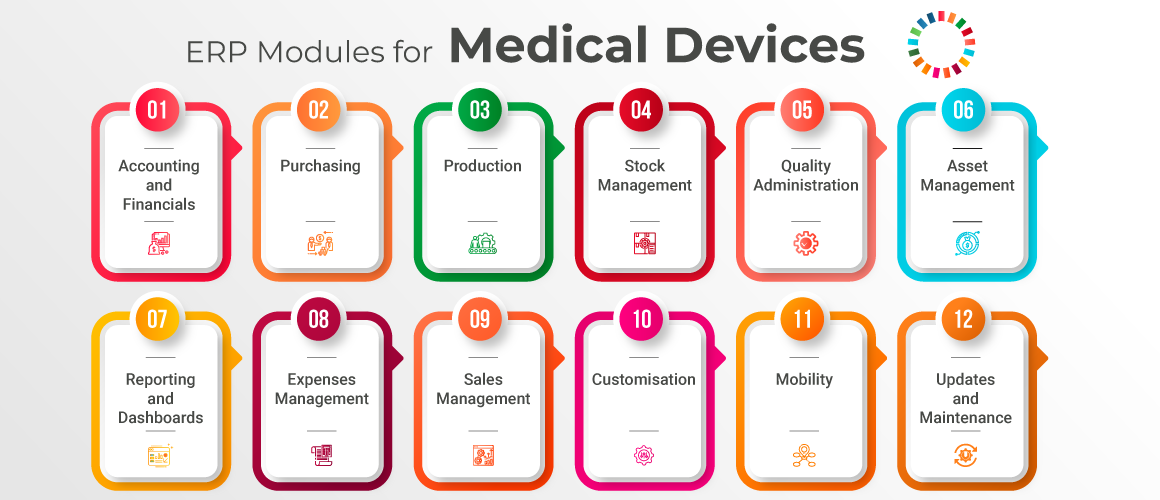
ERP, or Enterprise Resource Planning, is a crucial tool in the medical device manufacturing industry. With the ever-evolving landscape of technologies, regulations, and consumer demands, it’s essential for manufacturers to have a streamlined and efficient system in place to manage all aspects of their operations. ERP systems offer a comprehensive solution that integrates various functions within a business, such as inventory management, production planning, quality control, and financial reporting.
One of the primary benefits of implementing an ERP system in medical device manufacturing is improved efficiency. By centralizing data and processes, manufacturers can eliminate redundancies and streamline workflows, leading to faster turnaround times and reduced operational costs. This efficiency not only translates to lower production costs but also ensures that products are delivered to market quicker, giving manufacturers a competitive edge in the industry.
Another important aspect of ERP in medical device manufacturing is compliance with regulatory standards. The industry is highly regulated, with strict guidelines set forth by organizations such as the FDA (Food and Drug Administration). ERP systems help manufacturers maintain compliance by ensuring that all processes are documented, traceable, and auditable. This is crucial for safeguarding the quality and safety of medical devices, as well as protecting manufacturers from potential legal issues.
Furthermore, ERP systems provide manufacturers with real-time visibility into their operations. By integrating data from various departments, managers can access up-to-date information on production schedules, inventory levels, and quality control metrics. This visibility allows for better decision-making, as managers can quickly identify bottlenecks, allocate resources efficiently, and adjust production schedules as needed to meet changing market demands.
In addition to improving efficiency, ensuring compliance, and providing visibility, ERP systems also facilitate better collaboration within the organization. By centralizing communication and data sharing, employees from different departments can work together seamlessly, leading to improved coordination and teamwork. This collaborative environment fosters innovation and continuous improvement, as employees can easily share ideas, feedback, and best practices to drive the company forward.
Overall, the importance of ERP in medical device manufacturing cannot be overstated. From streamlining operations to ensuring compliance and fostering collaboration, ERP systems play a vital role in helping manufacturers navigate the complex and competitive landscape of the industry. By investing in a robust ERP solution, manufacturers can set themselves up for success and position themselves as leaders in the field of medical device manufacturing.
Key Features and Benefits of Medical Device Manufacturing ERP
Medical device manufacturing ERP systems have a wide range of features and benefits that can greatly improve efficiency and productivity in the manufacturing process. These systems are specifically designed to meet the unique needs of medical device manufacturers and help them streamline their operations.
One key feature of medical device manufacturing ERP systems is their ability to track and manage inventory effectively. With the complex nature of medical devices and the strict regulatory requirements that govern their production, it is crucial for manufacturers to have accurate and up-to-date inventory information. ERP systems allow manufacturers to easily track inventory levels, monitor expiration dates, and manage the flow of materials throughout the production process. This not only helps reduce the risk of stockouts and excess inventory, but also ensures compliance with regulatory standards.
Another important feature of medical device manufacturing ERP systems is their integrated quality management capabilities. In the highly regulated medical device industry, maintaining high quality standards is essential to ensure patient safety and regulatory compliance. ERP systems provide tools for manufacturers to track and manage quality control processes, conduct inspections, and identify and address any non-conformances quickly. This helps manufacturers to improve overall product quality, reduce the risk of defects, and minimize the likelihood of costly recalls.
Additionally, medical device manufacturing ERP systems offer robust traceability features that enable manufacturers to track the entire production process from raw materials to finished products. This level of traceability is crucial in the event of a product recall or quality issue, as it allows manufacturers to quickly identify affected products and take appropriate corrective actions. ERP systems also provide detailed documentation of every step in the production process, making it easier for manufacturers to demonstrate compliance with regulatory requirements and quality standards.
One of the key benefits of using a medical device manufacturing ERP system is the ability to streamline and automate key business processes. By centralizing data and integrating different departments and functions, ERP systems allow manufacturers to eliminate manual tasks, reduce errors, and improve overall efficiency. This not only saves time and resources, but also enables manufacturers to focus on innovation and product development, ultimately improving their competitive advantage in the market.
In conclusion, medical device manufacturing ERP systems offer a variety of key features and benefits that can significantly improve the efficiency, quality, and compliance of manufacturing operations. By utilizing these systems, medical device manufacturers can streamline their processes, enhance product quality, and ensure compliance with regulatory requirements, ultimately leading to increased profitability and competitiveness in the industry.
Factors to Consider When Choosing an ERP System for Medical Device Manufacturing
When it comes to selecting an ERP system for your medical device manufacturing company, there are several important factors to consider. From compliance requirements to scalability and integration capabilities, making the right choice can have a significant impact on the efficiency and success of your operations.
One major factor to consider is compliance with industry regulations. The medical device manufacturing industry is highly regulated, with strict requirements for quality control, traceability, and reporting. An ERP system that can automate these processes and ensure compliance with regulations such as FDA 21 CFR Part 11 is essential for maintaining your company’s reputation and avoiding costly penalties.
Another important consideration is scalability. As your medical device manufacturing company grows, your ERP system needs to be able to grow with you. Make sure to choose a system that can handle increased production volumes, new product lines, and additional users without sacrificing performance or functionality. Scalability is key to long-term success and competitiveness in the industry.
Integration capabilities are also crucial when choosing an ERP system for medical device manufacturing. Your system needs to be able to communicate seamlessly with other software applications and devices, such as production equipment, inventory management systems, and supply chain partners. An ERP system that can integrate with your existing technology stack will help streamline operations, reduce manual data entry, and improve overall efficiency.
Case Studies: How ERP Improved Efficiency and Compliance in Medical Device Manufacturing
Medical device manufacturing is a complex industry that requires strict compliance with regulations to ensure the safety and efficacy of products. In recent years, many companies have turned to ERP systems to help streamline their operations, improve efficiency, and maintain compliance with industry standards. Let’s take a look at some case studies that demonstrate how ERP has made a significant impact on medical device manufacturing companies.
Case Study 1: XYZ Medical Devices Inc.
XYZ Medical Devices Inc. is a leading manufacturer of surgical instruments and equipment. Prior to implementing an ERP system, the company was struggling to keep track of inventory, manage production schedules, and comply with regulatory requirements. With the implementation of an ERP system, XYZ Medical Devices Inc. was able to automate many of its manual processes, streamline communication between departments, and track production data in real time.
One of the key benefits of the ERP system for XYZ Medical Devices Inc. was improved inventory management. The system allowed the company to track raw materials and finished products throughout the production process, ensuring that inventory levels were always optimized. This not only reduced the risk of stockouts and excess inventory but also helped the company meet regulatory requirements for traceability.
Furthermore, the ERP system streamlined production scheduling, allowing XYZ Medical Devices Inc. to respond quickly to changes in demand and minimize lead times. This improvement in efficiency not only increased customer satisfaction but also helped the company save costs and increase profitability.
From a compliance perspective, the ERP system provided XYZ Medical Devices Inc. with a centralized platform for managing regulatory documentation and quality assurance processes. By storing all relevant information in one place, the company was able to ensure that its products met the necessary standards and certifications, reducing the risk of non-compliance and potential fines.
Case Study 2: ABC Biotech Solutions
Another example of how ERP has improved efficiency and compliance in medical device manufacturing is ABC Biotech Solutions. This company specializes in the production of biotechnology devices for diagnostic testing and medical research. Prior to implementing an ERP system, ABC Biotech Solutions struggled with inconsistent production processes, inefficient inventory management, and difficulties in tracking regulatory changes.
With the help of an ERP system, ABC Biotech Solutions was able to standardize its production processes, ensuring consistent quality and reducing the risk of errors. The system also provided real-time visibility into inventory levels, allowing the company to optimize stock levels and reduce waste. This not only saved costs but also improved overall efficiency in the production process.
In terms of compliance, the ERP system enabled ABC Biotech Solutions to track regulatory changes and update its quality management processes accordingly. By centralizing all relevant information and documentation, the company was able to ensure that its products met the necessary standards and certifications, reducing the risk of non-compliance and regulatory issues.
In conclusion, these case studies demonstrate the significant impact that ERP systems can have on efficiency and compliance in medical device manufacturing. By automating manual processes, streamlining communication, and centralizing data, ERP systems help companies improve their operations, meet regulatory requirements, and ultimately deliver safe and effective products to customers.
Trends and Innovations in ERP for Medical Device Manufacturing
When it comes to ERP systems for medical device manufacturing, there are several trends and innovations that are shaping the industry. Manufacturers are constantly looking for ways to improve efficiency, reduce costs, and comply with regulatory requirements. Here are some of the key trends and innovations in ERP for medical device manufacturing:
1. Cloud-based ERP systems: One of the biggest trends in ERP for medical device manufacturing is the shift towards cloud-based systems. Cloud ERP offers many benefits for manufacturers, including lower upfront costs, scalability, and remote access. With cloud-based ERP, manufacturers can easily access real-time data and analytics, enabling them to make quicker and more informed decisions.
2. Integration with IoT devices: Another important trend in ERP for medical device manufacturing is the integration with IoT (Internet of Things) devices. IoT devices can be used to collect data from medical devices on the production line, allowing manufacturers to monitor performance, identify issues, and improve quality control. By integrating ERP systems with IoT devices, manufacturers can streamline their processes and improve overall efficiency.
3. Artificial intelligence and machine learning: AI and machine learning are also making waves in the world of ERP for medical device manufacturing. These technologies can help manufacturers automate repetitive tasks, analyze large amounts of data, and predict potential issues before they occur. AI-powered ERP systems can help manufacturers optimize their production processes, reduce waste, and improve product quality.
4. Regulatory compliance: Compliance with industry regulations is a top priority for medical device manufacturers. ERP systems are increasingly being equipped with features that help manufacturers comply with regulatory requirements, such as FDA guidelines. These features can include traceability, documentation management, and audit trails. By using ERP systems with built-in compliance features, manufacturers can ensure that they are meeting all necessary regulations and standards.
5. Personalization and customization: One of the most exciting trends in ERP for medical device manufacturing is the focus on personalization and customization. Manufacturers are increasingly looking for ways to tailor their products to meet the unique needs of individual patients. This trend is driving the development of ERP systems that can handle complex customization requirements, such as patient-specific labeling, packaging, and instructions. By using ERP systems that are designed for personalization, manufacturers can offer more personalized products and differentiate themselves in the market.
Overall, the trends and innovations in ERP for medical device manufacturing are helping manufacturers improve efficiency, reduce costs, and stay compliant with regulatory requirements. By embracing cloud-based systems, integrating IoT devices, leveraging AI and machine learning, and focusing on personalization, manufacturers can stay ahead of the curve and remain competitive in the ever-evolving medical device industry.