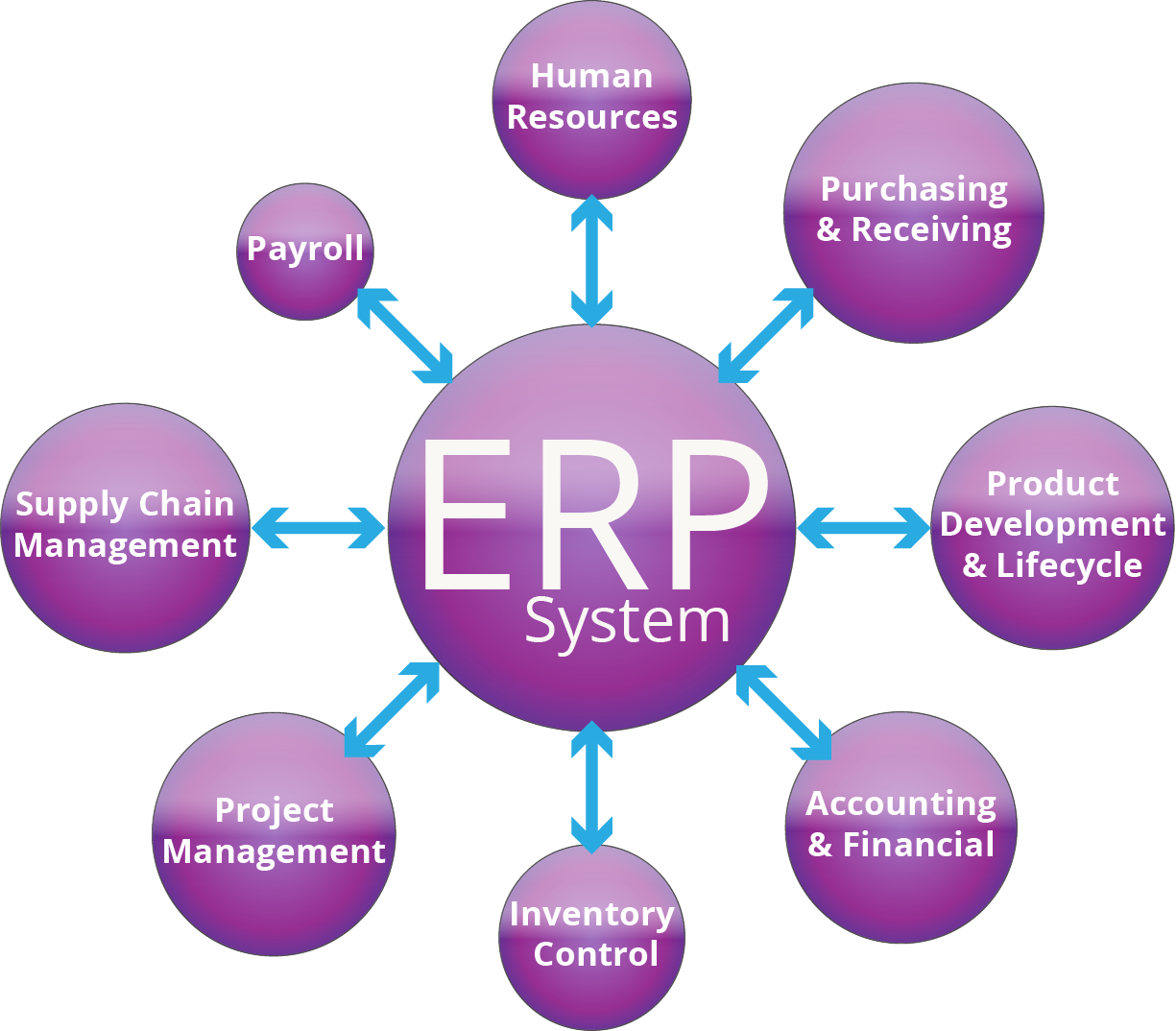
Hey there, small business owner! Are you looking to streamline your production process and improve efficiency in your operations? Look no further than implementing an ERP system tailored specifically for small production companies. In this complete guide, we’ll walk you through everything you need to know about choosing and integrating an ERP system that will take your business to the next level. From inventory management to production scheduling, we’ve got you covered!
Benefits of Implementing an ERP System for Small Manufacturing Companies
Implementing an ERP system can have a plethora of benefits for small manufacturing companies. Gone are the days of managing different departments with separate spreadsheets and software. ERP systems integrate all aspects of the business, from inventory management to production planning, under one centralized system. This streamlines processes, improves communication, and ultimately increases efficiency.
One of the major benefits of implementing an ERP system is improved inventory management. With real-time data tracking, small manufacturing companies can easily monitor stock levels, track inventory movements, and reduce the risk of over or under-stocking. This leads to better inventory control, lower carrying costs, and increased profitability. Additionally, with accurate inventory data at their fingertips, companies can make informed decisions about purchasing, production, and order fulfillment.
Another significant advantage of an ERP system for small manufacturing companies is enhanced production planning. By integrating production schedules, work orders, and resource management, companies can optimize their production processes. This leads to reduced lead times, improved on-time deliveries, and better utilization of resources. With the ability to track production progress in real-time, companies can quickly identify and address any bottlenecks or issues that may arise.
Furthermore, an ERP system can improve overall business visibility and decision-making. With all data stored in one centralized system, small manufacturing companies have access to accurate and up-to-date information across departments. This allows for better reporting, analysis, and forecasting. Management can easily track key performance indicators, identify trends, and make data-driven decisions to drive the business forward.
Additionally, implementing an ERP system can help small manufacturing companies streamline their financial processes. From invoicing to accounting, an ERP system automates many repetitive and manual tasks, reducing the risk of errors and increasing efficiency. This not only saves time but also improves financial accuracy and compliance. With integrated financial modules, companies can easily track expenses, revenue, and profitability in real-time.
Overall, implementing an ERP system can revolutionize the way small manufacturing companies operate. By integrating all aspects of the business into one centralized system, companies can streamline processes, improve communication, and increase efficiency. From inventory management to production planning, an ERP system provides the tools and insights needed to drive business growth and success.
Key Features to Look for in an ERP System for Small Manufacturers
When selecting an ERP system for your small manufacturing business, there are several key features to consider to ensure that the system meets your specific needs and helps streamline your operations. While there are many features to look for, we will focus on five key features that are crucial for small manufacturers:
1. Scalability: One of the most important features to look for in an ERP system for small manufacturers is scalability. As your business grows, you need a system that can grow with you and handle increased data volume and complexity. Look for a system that can easily scale up to accommodate your growing business needs without requiring a complete overhaul or expensive upgrades.
2. Customization: Small manufacturers often have unique processes and workflows that may not be fully supported by off-the-shelf ERP systems. This is why customization is a crucial feature to look for in an ERP system. A good ERP system should allow you to tailor the software to fit your specific business requirements and workflows, rather than forcing you to adapt your processes to fit the system. This can help you increase efficiency, improve accuracy, and achieve better results overall.
Furthermore, customization can also help you stay competitive by allowing you to quickly respond to changing market trends and customer demands. For example, if you need to introduce a new manufacturing process or product line, a customizable ERP system can be quickly adjusted to support these changes without disrupting your operations.
3. Integration capabilities: Another important feature to consider when choosing an ERP system for your small manufacturing business is integration capabilities. A good ERP system should be able to seamlessly integrate with other software applications and systems that you use, such as inventory management, customer relationship management (CRM), and e-commerce platforms. This can help you streamline your operations, improve data accuracy, and avoid duplicate data entry.
4. Reporting and analytics: In order to make informed business decisions, small manufacturers need access to real-time data and analytics. Look for an ERP system that offers robust reporting and analytics capabilities, such as customizable dashboards, key performance indicators (KPIs), and forecasting tools. This can help you track your performance, identify trends, and make data-driven decisions to optimize your operations and drive growth.
5. Security: Last but not least, security is a critical feature to consider when selecting an ERP system for your small manufacturing business. Your ERP system will contain sensitive business and customer data, so it is important to choose a system that offers strong security measures to protect your information from cyber threats and data breaches. Look for features such as role-based access control, data encryption, and regular security updates to ensure that your data remains safe and secure.
Cost-effective ERP Solutions for Small Manufacturing Businesses
Implementing an ERP system for a small manufacturing business doesn’t have to break the bank. There are cost-effective solutions available that can provide all the essential features needed to streamline operations, improve productivity, and boost profitability. Here are some key considerations when looking for an ERP system that fits within a small manufacturing business budget:
1. Cloud-Based ERP Systems:
One of the most cost-effective solutions for small manufacturing businesses is opting for a cloud-based ERP system. Cloud-based ERP systems offer several benefits, including lower upfront costs, reduced hardware and maintenance expenses, and scalability. With a cloud-based ERP system, small manufacturers can access their data and applications from anywhere, at any time, using just an internet connection. This flexibility can help businesses stay agile and adapt quickly to changing market conditions.
2. Subscription-Based Pricing:
Many ERP vendors now offer subscription-based pricing models, which can be more cost-effective for small manufacturing businesses than traditional perpetual licensing. With subscription-based pricing, businesses pay a monthly or annual fee to use the ERP system, rather than making a large upfront investment. This model not only spreads out the cost over time but also makes it easier for businesses to budget and plan for ongoing expenses.
3. Open-Source ERP Systems:
For small manufacturing businesses looking for a truly cost-effective ERP solution, open-source ERP systems can be a game-changer. Open-source ERP systems are typically free to use and can be customized to meet specific business needs. While there may be some costs associated with implementation, customization, and support, open-source ERP systems can still be significantly cheaper than proprietary solutions. Small manufacturing businesses can leverage the flexibility and community support of open-source ERP systems to create a tailored solution that fits their unique requirements.
4. Modular ERP Systems:
Another cost-effective approach for small manufacturing businesses is to opt for modular ERP systems. Instead of investing in a full-suite ERP system with all the bells and whistles, businesses can choose to implement only the modules they need. This can help reduce upfront costs and simplify implementation, allowing businesses to focus on key areas such as inventory management, production planning, or customer relationship management. As the business grows, additional modules can be added to the ERP system to meet evolving needs.
In conclusion, small manufacturing businesses don’t have to compromise on the functionality and capabilities of an ERP system due to budget constraints. By exploring cloud-based solutions, subscription-based pricing models, open-source options, and modular systems, small manufacturers can find cost-effective ERP solutions that deliver value and drive growth. It’s essential to carefully evaluate the needs of the business and choose an ERP system that aligns with both short-term requirements and long-term goals. With the right ERP system in place, small manufacturing businesses can optimize their operations, increase efficiency, and compete effectively in the market.
Case Studies of Successful ERP Implementations in Small Manufacturing Companies
Implementing an ERP system can greatly benefit small manufacturing companies by streamlining processes, increasing efficiency, and improving overall productivity. Here are some case studies of successful ERP implementations in small manufacturing companies:
1. ABC Manufacturing Company: ABC Manufacturing Company, a small family-owned business that produces custom metal components, decided to implement an ERP system to manage their complex inventory tracking and production scheduling. After careful consideration, they chose a cloud-based ERP solution that could be accessed remotely by their employees. This not only improved communication between departments but also allowed for real-time updates on inventory levels and production progress. As a result, ABC Manufacturing Company saw a significant increase in on-time deliveries and a reduction in production costs.
2. XYZ Electronics: XYZ Electronics, a small electronics manufacturer, faced challenges in managing their supply chain and production processes. They decided to invest in an ERP system that could integrate with their existing systems and provide real-time data on inventory levels, customer orders, and production schedules. The ERP implementation allowed XYZ Electronics to optimize their supply chain, reduce lead times, and improve inventory accuracy. Additionally, the system helped them identify inefficiencies in their production processes and make necessary improvements, resulting in increased customer satisfaction and profitability.
3. LMN Furniture Co.: LMN Furniture Co., a small furniture manufacturer, struggled with manual processes and siloed data that led to inventory discrepancies and production delays. To address these issues, they implemented an ERP system that centralizes all their data and automates key processes such as order processing, inventory management, and production planning. With the new system in place, LMN Furniture Co. was able to improve inventory accuracy, reduce lead times, and increase overall operational efficiency. The ERP system also provided them with valuable insights into customer demand trends, allowing them to make informed decisions about production and inventory levels.
4. Sunshine Textiles: Sunshine Textiles, a small textile manufacturer, was looking to improve their production planning and inventory management processes. They decided to implement an ERP system that could integrate with their existing machinery and provide real-time data on production performance and inventory levels. The ERP system enabled Sunshine Textiles to optimize their production schedules, reduce waste, and improve overall productivity. By having access to accurate and up-to-date data, they were able to make informed decisions about inventory levels and production priorities, leading to increased profitability and customer satisfaction.
These case studies highlight the benefits of implementing an ERP system in small manufacturing companies. By streamlining processes, improving communication, and providing real-time data, ERP systems can help small manufacturers increase efficiency, reduce costs, and ultimately drive growth and success in a competitive market.
How ERP Systems Enhance Efficiency and Productivity in Small Manufacturing Operations
In the fast-paced world of small manufacturing, efficiency and productivity are key to staying competitive and meeting customer demands. This is where ERP systems come in to save the day. By integrating all aspects of a business, from inventory management to production scheduling, ERP systems streamline processes and eliminate bottlenecks that can slow down operations.
One of the main ways ERP systems enhance efficiency in small manufacturing operations is by centralizing data and information. Instead of having separate systems for inventory, accounting, and production, an ERP system brings everything together in one place. This means that employees can access real-time data and make informed decisions quickly, without having to waste time searching for information in different places.
Additionally, ERP systems automate many tasks that were previously done manually. This saves time and reduces the risk of human error. For example, instead of manually inputting data from one system to another, an ERP system can automatically transfer data across all departments, ensuring that everyone is working with the most up-to-date information.
Furthermore, ERP systems offer powerful reporting tools that provide insights into various aspects of the business. By analyzing production efficiencies, inventory levels, and customer demand trends, small manufacturers can make data-driven decisions that optimize operations and maximize productivity. Whether it’s identifying inefficiencies in the production process or forecasting demand for a new product, ERP systems provide the data needed to make informed decisions.
Another way ERP systems enhance efficiency is by improving collaboration and communication within a small manufacturing operation. With all departments working off the same system, employees can easily share information, track progress, and coordinate activities. This reduces the likelihood of miscommunication or duplication of work, leading to smoother operations and faster turnaround times.
Lastly, ERP systems enable small manufacturers to adapt quickly to changing market conditions and customer demands. By having a centralized system that can be easily customized and scaled, businesses can respond to new opportunities or challenges with agility. Whether it’s expanding production capacity to meet a sudden increase in demand or adjusting inventory levels to align with changing customer preferences, ERP systems provide the flexibility needed to stay ahead of the curve.