Importance of ERP in modern businesses
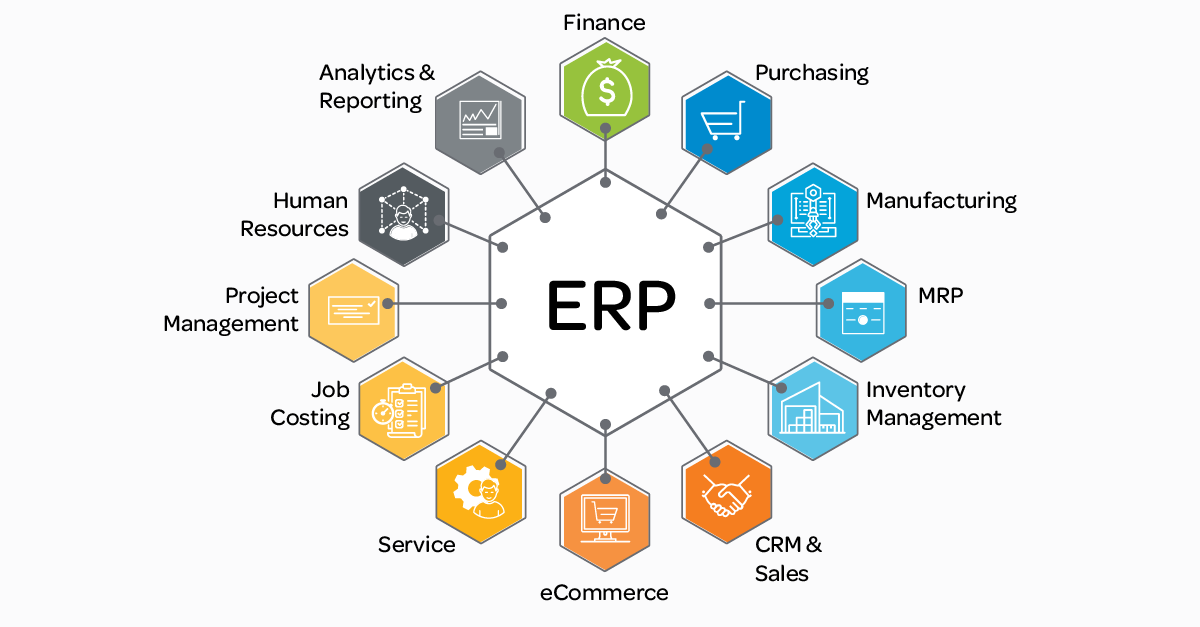
Enterprise Resource Planning (ERP) systems have become essential tools for modern businesses looking to streamline their operations, improve efficiency, and stay competitive in today’s fast-paced business environment. ERP software helps businesses integrate all their core processes, such as finance, HR, supply chain management, manufacturing, and customer relationship management, into a single system. This integration allows for more accurate data tracking, improved communication between departments, and increased collaboration among employees.
One of the key benefits of implementing an ERP system is the ability to standardize and automate processes across the organization. By establishing standardized workflows and procedures, businesses can reduce the risk of errors and improve overall operational efficiency. Automation features within ERP software can also help eliminate manual data entry tasks, freeing up employees to focus on more strategic initiatives.
Another important aspect of ERP systems is the ability to provide real-time data and analytics to decision-makers. By having access to up-to-date information on key performance indicators, executives can make more informed decisions that drive business growth and profitability. This level of visibility and insight into business operations is crucial for remaining agile and adapting to changing market conditions.
ERP software also plays a crucial role in enabling business scalability. As companies grow and evolve, their processes and systems need to be able to adapt to new requirements. An ERP system can easily scale with a company’s growth, allowing for the addition of new users, functionality, and features as needed. This scalability helps businesses avoid the need for costly system replacements or upgrades down the line.
Furthermore, ERP systems can enhance collaboration and communication within an organization. With all departments operating within the same system, employees can easily share information, collaborate on projects, and access the data they need to perform their roles more effectively. This level of integration and connectivity fosters a more cohesive and efficient work environment.
In conclusion, ERP systems are essential tools for modern businesses looking to improve efficiency, streamline operations, and drive growth. By consolidating core processes into a single system, standardizing workflows, providing real-time data and analytics, enabling scalability, and enhancing collaboration, ERP software helps businesses stay competitive in today’s rapidly changing business landscape. Investing in an ERP system is a strategic decision that can have a significant impact on a company’s ability to succeed and thrive in the digital age.
Factors to consider when prioritizing ERP implementation
Implementing an ERP system can be a major investment for any organization, both in terms of time and money. Therefore, it is crucial to carefully prioritize the implementation process to ensure that it meets the organization’s needs and objectives. Here are some factors to consider when determining the priority of ERP implementation:
1. Business Objectives and Goals: The first step in prioritizing ERP implementation is to align the project with the organization’s overall business objectives and goals. It is important to identify what the organization hopes to achieve by implementing an ERP system and how it will contribute to the overall success of the business. This will help in determining the importance of the project and set the direction for the implementation process.
2. Impact on Business Processes: One of the key factors to consider when prioritizing ERP implementation is the impact it will have on the organization’s existing business processes. It is essential to assess how the new system will affect day-to-day operations, workflow, and efficiency. Conducting a thorough analysis of how each business process will be affected by the implementation will help in determining the order in which different modules or functionalities should be implemented. For example, if the finance department relies heavily on manual processes that are time-consuming and prone to errors, implementing the financial module of the ERP system should be prioritized to streamline and automate these processes first. On the other hand, if the sales team is struggling with managing customer relationships and tracking sales orders, prioritizing the CRM module may be more beneficial to improve customer satisfaction and increase sales revenue.
Moreover, it is important to consider the readiness of employees to adopt the new system and provide adequate training and support to help them transition smoothly. Resistance to change can significantly delay the implementation process and hinder the overall success of the project. By prioritizing modules based on their impact on business processes and employee readiness, organizations can ensure a more successful and seamless ERP implementation.
3. Budget and Resources: Another important factor to consider when prioritizing ERP implementation is the organization’s budget and available resources. Implementing an ERP system can be costly, not only in terms of software licenses and implementation fees but also in terms of training, maintenance, and ongoing support. It is essential to align the budget with the organization’s priorities and allocate resources effectively to ensure a successful implementation. Prioritizing modules or functionalities based on their importance and value to the business can help in optimizing resources and maximizing the ROI of the ERP system.
4. Timeline and Phases: Lastly, it is crucial to consider the timeline and phases of the ERP implementation process when determining priorities. Breaking down the implementation into manageable phases can help in prioritizing tasks based on dependencies, deadlines, and overall project timeline. By setting realistic expectations and milestones for each phase of the implementation, organizations can ensure a smooth and successful transition to the new system without overwhelming employees or disrupting day-to-day operations.
In conclusion, prioritizing ERP implementation is a critical step in ensuring the success and effectiveness of the project. By considering factors such as business objectives, impact on business processes, budget and resources, and timeline and phases, organizations can make informed decisions on how to prioritize different modules or functionalities to align with their overall goals and objectives. Taking a strategic and thoughtful approach to prioritizing ERP implementation can help organizations achieve a higher ROI and maximize the benefits of the new system.
Aligning ERP priorities with overall business goals
When it comes to choosing the right ERP priorities for your business, it’s essential to align them with your overall business goals. This means determining what your company’s long-term objectives are and how ERP can help you achieve them. By setting ERP priorities that are in line with your business goals, you can ensure that your investment in ERP technology will lead to tangible results and deliver a positive return on investment.
One way to align your ERP priorities with your business goals is to involve key stakeholders in the decision-making process. This includes executives, department heads, IT staff, and end users who will be directly impacted by the ERP implementation. By gathering input from a diverse group of individuals, you can ensure that your ERP priorities take into account the needs and preferences of all parties involved.
In addition, it’s important to conduct a thorough analysis of your current business processes and identify areas where ERP can bring the most value. This may involve streamlining operations, automating manual tasks, improving visibility into data, or enhancing communication between departments. By understanding how ERP can address specific pain points within your organization, you can prioritize the features and functionalities that will have the greatest impact on your business goals.
Furthermore, it’s crucial to regularly reassess and adjust your ERP priorities as your business evolves. As market conditions change, new technologies emerge, and customer preferences shift, your business goals may also shift accordingly. By staying flexible and adaptable in your ERP planning, you can ensure that your technology investments continue to support your overarching business objectives.
In conclusion, aligning your ERP priorities with your overall business goals is essential for driving success and maximizing the benefits of ERP technology. By involving key stakeholders, analyzing your current processes, and staying flexible in your approach, you can ensure that your ERP implementation is strategically aligned with the needs and objectives of your organization.
Managing competing priorities when implementing ERP
Implementing an ERP system can be a complex process that involves managing multiple priorities. It is essential to understand how to navigate and prioritize these competing interests to ensure the successful implementation of the ERP system. Here are some tips on how to manage competing priorities when implementing ERP:
1. Align with organizational goals: One of the most critical factors in managing competing priorities during ERP implementation is to align them with the overall goals and objectives of the organization. By ensuring that the implementation is in line with the strategic direction of the company, you can prioritize tasks and make decisions that best serve the organization as a whole.
2. Involve key stakeholders: Involving key stakeholders in the decision-making process can help you identify and prioritize competing priorities. By gathering input from various departments and individuals within the organization, you can better understand the different needs and requirements of each stakeholder. This will enable you to make informed decisions that take into account the priorities and concerns of all parties involved.
3. Identify critical success factors: To manage competing priorities effectively, it is essential to identify the critical success factors of the ERP implementation. These are the key factors that will determine the success or failure of the project. By focusing on these critical success factors, you can prioritize tasks and allocate resources accordingly to ensure that the project meets its objectives.
4. Develop a prioritization framework: One effective way to manage competing priorities when implementing ERP is to develop a prioritization framework. This framework can help you rank tasks based on their importance, urgency, and impact on the project. By using this framework, you can make informed decisions about which tasks to prioritize and allocate resources accordingly. For example, you may need to prioritize tasks that have the most significant impact on the project timeline or tasks that are critical to the overall success of the implementation.
By developing a prioritization framework, you can ensure that you are making strategic decisions that align with the goals of the organization and the success of the ERP implementation. This will help you manage competing priorities more effectively and ensure that the project is completed on time and within budget.
Strategies for successfully prioritizing ERP projects within an organization
When it comes to prioritizing ERP projects within an organization, it is essential to have a clear strategy in place to ensure successful implementation. Here are some key strategies to consider:
1. **Align with business goals**: The first step in prioritizing ERP projects is to align them with the overall business goals and objectives of the organization. By understanding the specific needs and priorities of the business, you can ensure that the ERP projects are directly contributing to the success of the organization.
2. **Engage key stakeholders**: It is important to involve key stakeholders from across the organization in the prioritization process. By gathering input and feedback from various departments and functions, you can ensure that the ERP projects are meeting the needs of the entire organization, not just one specific area.
3. **Assess impact and complexity**: Before prioritizing ERP projects, it is important to assess the potential impact and complexity of each project. Consider factors such as the resources required, the timeline for implementation, and the potential benefits to the organization. By evaluating these factors, you can prioritize projects based on their overall impact and feasibility.
4. **Create a roadmap**: Once you have identified and prioritized ERP projects, create a roadmap to guide the implementation process. This roadmap should outline the timeline for each project, the resources needed, and the expected outcomes. By having a clear plan in place, you can ensure that the ERP projects stay on track and are completed successfully.
5. **Regularly review and adjust priorities**: One of the key strategies for successfully prioritizing ERP projects is to regularly review and adjust priorities as needed. As the business environment changes and new opportunities arise, it is important to reassess the prioritization of ERP projects to ensure that they are still aligned with the goals of the organization. By staying flexible and adaptable, you can ensure that the ERP projects continue to add value to the organization.
By following these strategies for prioritizing ERP projects within an organization, you can ensure that the implementation process is smooth and successful. By aligning projects with business goals, engaging key stakeholders, assessing impact and complexity, creating a roadmap, and regularly reviewing and adjusting priorities, you can set your organization up for long-term success with ERP implementation.