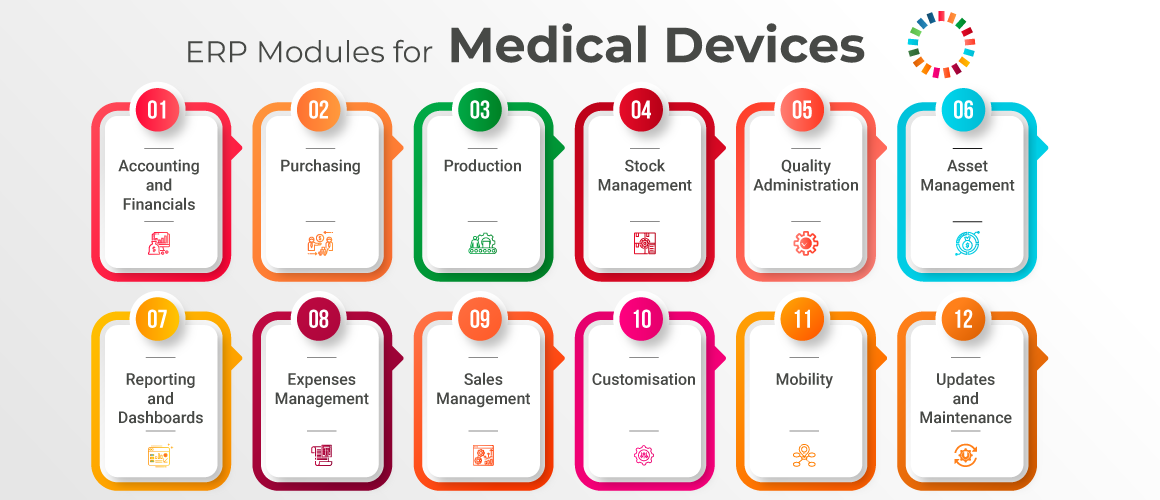
Se sei un’azienda che opera nel settore dei dispositivi medici, sai quanto sia importante garantire la massima efficienza nella produzione e nel controllo di qualità. Con la complessità e la costante evoluzione delle normative di settore, diventa fondamentale implementare un sistema ERP (Enterprise Resource Planning) in grado di gestire in modo organizzato e preciso tutti i processi aziendali. Scopri come un sistema ERP dedicato può essere la soluzione ideale per ottimizzare le attività della tua azienda e garantire la conformità alle normative vigenti.
Importance of ERP in Medical Device Manufacturing
ERP, or Enterprise Resource Planning, is a crucial tool for medical device manufacturing companies to streamline their operations, increase efficiency, and maintain compliance with industry regulations. This software system helps manage all aspects of a company’s business, including inventory, production, sales, and finances, in one centralized platform. By integrating all these functions into a single system, ERP eliminates the need for manual data entry and communication between different departments, resulting in faster decision-making processes and improved collaboration across the organization.
For medical device manufacturers, accuracy and compliance are paramount. With ERP, companies can track and trace every component used in the production process, ensuring that only high-quality materials are used and that products meet strict regulatory standards. This level of visibility not only helps companies achieve and maintain compliance with industry regulations but also enhances product quality and safety, ultimately leading to better patient outcomes.
Another key benefit of ERP in medical device manufacturing is inventory management. With complex supply chains and strict shelf-life requirements, managing inventory can be a challenging task for companies in the healthcare industry. ERP helps companies optimize their inventory levels by providing real-time visibility into stock levels, demand forecasts, and supplier performance. By automating inventory processes and implementing just-in-time practices, companies can reduce excess inventory, minimize stockouts, and improve overall supply chain efficiency.
Furthermore, ERP helps medical device manufacturers improve their production processes by providing insights into equipment performance, production schedules, and resource allocation. By analyzing production data in real time, companies can identify bottlenecks, optimize production schedules, and improve overall equipment effectiveness. This proactive approach to production management not only increases efficiency but also reduces costs and enhances overall product quality.
In conclusion, ERP plays a vital role in helping medical device manufacturers streamline their operations, maintain compliance with industry regulations, and improve overall efficiency. By integrating all aspects of a company’s business into one centralized system, ERP provides companies with the visibility and insights needed to make informed decisions, optimize processes, and ultimately deliver high-quality products to the market. With the ever-evolving nature of the healthcare industry, implementing an ERP system is essential for companies looking to stay competitive, compliant, and efficient in today’s fast-paced market environment.
Key Features of ERP for Medical Device Manufacturers
When it comes to choosing an ERP system for medical device manufacturing, there are several key features that can greatly benefit the industry. One of the most important features is traceability, which allows manufacturers to track the entire lifecycle of a product from raw materials to finished goods. This is crucial in the medical device industry, where strict regulations require companies to have complete visibility and control over their products.
Another essential feature of ERP for medical device manufacturers is electronic device history records (eDHR). This allows companies to maintain digital records of each device they produce, including information on materials used, manufacturing processes, and quality control measures. eDHRs make it easier to comply with regulatory requirements and ensure that products meet the necessary standards.
Inventory management is also a critical feature for medical device manufacturers. With ERP, companies can track their inventory levels in real-time, ensuring that they always have the right materials on hand to meet demand. This not only helps reduce costs associated with excess inventory but also prevents delays in production due to shortages.
Quality management is another key feature of ERP for medical device manufacturers. By centralizing quality control processes within the ERP system, companies can streamline document management, track non-conformances, and ensure that products meet regulatory requirements. This helps improve overall product quality and reduces the risk of recalls or compliance issues.
Integration with other systems is also important for medical device manufacturers. ERP systems that can easily integrate with other software applications, such as CRM or PLM systems, can help companies streamline processes and improve collaboration between departments. This can lead to increased efficiency, reduced errors, and faster time-to-market for new products.
Finally, compliance management capabilities are crucial for medical device manufacturers. ERP systems that are specifically designed for the industry often come with built-in tools for managing compliance with regulations such as FDA’s 21 CFR Part 11 or ISO 13485. These tools can help companies automate compliance processes, track changes to regulations, and ensure that they are always in adherence with the latest requirements.
In conclusion, ERP systems offer a wide range of features that can greatly benefit medical device manufacturers. From traceability and eDHRs to inventory management and quality control, these tools can help companies improve efficiency, ensure product quality, and maintain compliance with industry regulations.
Benefits of Implementing ERP in the Medical Device Industry
ERP (Enterprise Resource Planning) systems are highly beneficial for companies in the medical device manufacturing industry. These systems help companies streamline their operations, improve efficiency, and enhance overall performance. Here are some of the key benefits of implementing ERP in the medical device industry:
1. Improved Inventory Management: One of the main benefits of using an ERP system in medical device manufacturing is improved inventory management. With an ERP system, companies can track their inventory levels in real-time, automate reorder points, and reduce the risk of stockouts or overstocking. This not only helps in better planning and utilization of resources but also ensures that the company has the right products available when needed.
2. Enhanced Regulatory Compliance: The medical device industry is highly regulated, and companies need to comply with strict guidelines to ensure the safety and quality of their products. An ERP system can help companies streamline their compliance efforts by providing a centralized platform to track and manage regulatory requirements. This ensures that all processes and documentation are up to date, making audits and inspections easier to navigate.
3. Increased Productivity and Efficiency: Implementing an ERP system can significantly boost productivity and efficiency in a medical device manufacturing company. By automating manual processes, eliminating redundant tasks, and providing real-time data insights, ERP systems help employees work more efficiently and make better decisions. This leads to faster turnaround times, reduced costs, and ultimately, increased profitability for the company.
Furthermore, ERP systems facilitate better collaboration and communication among different departments within the company. By providing a central database for all information, employees can easily access the data they need, collaborate on projects, and make informed decisions based on real-time information. This level of integration and transparency across the organization can lead to improved teamwork, faster decision-making, and ultimately, better outcomes for the company.
In conclusion, implementing an ERP system in the medical device manufacturing industry offers multiple benefits in terms of improved inventory management, enhanced regulatory compliance, and increased productivity and efficiency. By investing in an ERP system, companies can streamline their operations, stay compliant with regulations, and ultimately, boost their overall performance in a competitive market.
Challenges Faced in Implementing ERP for Medical Device Manufacturing
Implementing an ERP system in a medical device manufacturing company can be a complex and challenging process. There are many hurdles that organizations may face when trying to integrate this software into their operations. Here are some of the key challenges that companies in this industry may encounter:
1. High Cost: One of the main challenges in implementing ERP for medical device manufacturing is the high cost associated with purchasing and customizing the software. These systems can be expensive to purchase, implement, and maintain. In addition, there may also be costs related to training employees on how to use the new system effectively.
2. Regulatory Compliance: Medical device manufacturing is a heavily regulated industry, with strict quality control requirements imposed by regulatory bodies such as the FDA. Implementing an ERP system that can adequately track and document compliance with these regulations can be a significant challenge.
3. Integration with Existing Systems: Many medical device manufacturers already have existing systems in place for managing their operations. Integrating a new ERP system with these legacy systems can be complex and time-consuming. Ensuring that data is transferred accurately between systems and that there are no disruptions to production is crucial.
4. Resistance to Change: One of the biggest challenges in implementing ERP for medical device manufacturing is overcoming resistance to change from employees. Many workers may be comfortable with the current systems and processes in place, and may be hesitant to adopt a new way of working. It’s important for companies to communicate the benefits of the ERP system to employees and involve them in the implementation process to increase buy-in and acceptance.
Case Studies of Successful ERP Integration in Medical Device Manufacturing Sector
Implementing an ERP system in the medical device manufacturing sector can lead to significant improvements in efficiency, cost reduction, and overall business performance. Let’s take a deeper look at some real-life case studies of successful ERP integration in this industry.
1. Company A: Company A, a leading medical device manufacturer, implemented an ERP system to streamline its operations and improve communication between departments. By integrating all aspects of their business – from inventory management to production scheduling – Company A was able to reduce lead times and optimize resource allocation. As a result, they saw a 20% increase in production output and a 15% decrease in manufacturing costs within the first year of implementing the ERP system.
2. Company B: Company B, a mid-sized medical device manufacturer, faced challenges with tracking product defects and meeting compliance standards. They decided to implement an ERP system that could track every step of the manufacturing process and ensure compliance with industry regulations. With the new system in place, Company B was able to reduce product defects by 30% and pass all regulatory audits with flying colors. This led to improved customer satisfaction and increased market share for Company B.
3. Company C: Company C, a startup in the medical device industry, needed a robust ERP system to support their rapid growth and expansion into new markets. They chose a cloud-based ERP solution that could easily scale with their business and provide real-time insights into their operations. With the ERP system, Company C was able to streamline their supply chain, manage inventory more effectively, and collaborate seamlessly with their partners. This resulted in a 50% increase in revenue and a 25% reduction in operating costs for Company C.
4. Company D: Company D, a multinational medical device manufacturer, struggled with managing multiple manufacturing facilities across different regions. They implemented a centralized ERP system that could standardize processes and ensure consistency across all sites. The ERP system enabled Company D to track production in real-time, optimize inventory levels, and improve collaboration between teams. As a result, they were able to reduce lead times by 40% and increase on-time deliveries by 25%, leading to higher customer satisfaction and improved profitability for Company D.
5. Company E: Company E, a small medical device manufacturer, faced challenges with outdated legacy systems that were hindering their growth and competitiveness in the market. They decided to invest in a modern ERP system that could automate manual processes, improve data accuracy, and provide actionable insights for decision-making. With the new ERP system, Company E was able to reduce order processing times by 60%, cut down on errors in production, and increase overall efficiency in their operations. This translated to a 30% increase in sales and a 20% decrease in operational costs for Company E, putting them on the path to sustainable growth and success in the medical device manufacturing sector.